01 — CONTEXT & INVESTMENT CHALLENGE
Improving Performance Across a Complex Multi-Use Facility.
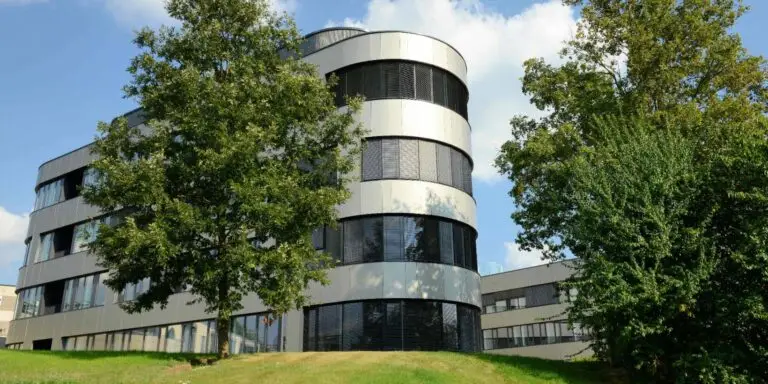
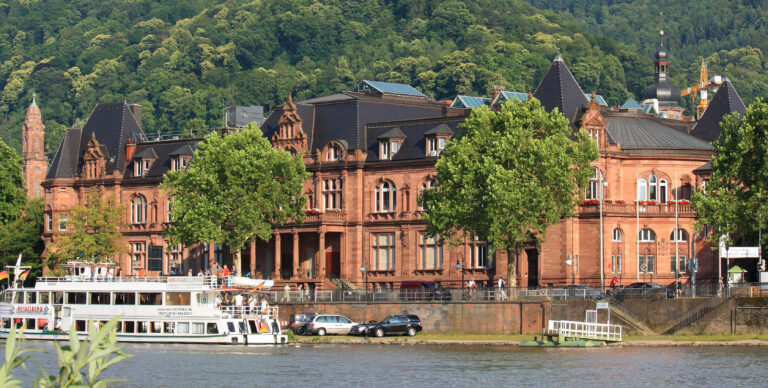
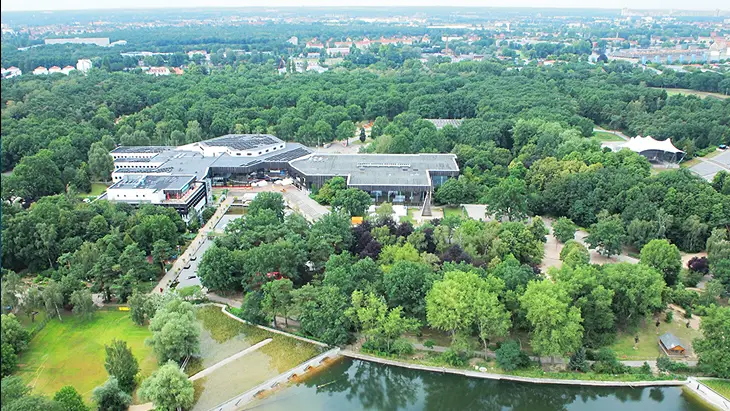
FEZ-Berlin, Europe’s largest non-profit centre for children, young people and families, combines educational, cultural, recreational and event uses with significant and varying energy requirements.
Following a Europe-wide competitive tender, the investment challenge was to modernise major energy and building systems, reduce operating costs and emissions, and deliver guaranteed savings while maintaining ongoing operations across the facility.
02 — TECHNICAL SCOPE & KEY MEASURES
Modernising Major Energy and Building Systems as One Programme.
A comprehensive Energy Audit identified efficiency opportunities across energy generation, HVAC, lighting, drives, controls, building automation and domestic hot water systems.
Following investment approval, selected measures were implemented as an integrated Energy Efficiency Retrofit. Individual interventions were coordinated within the performance-based investment package rather than treated as isolated technical upgrades.
03 — INVESTMENT APPROACH
Evaluating Technical Potential Through Investment Economics and Risk.
Alternative measures and combinations were evaluated across energy-saving potential, CAPEX, OPEX, Discounted Cash Flow, NPV, capital returns, lifecycle costs and investment risk.
The selected measures were combined into an economically viable investment package designed to meet defined performance requirements and the contractor’s Investment Committee criteria.
A structured financing concept enabled implementation without upfront capital expenditure by the asset owner. Contractually guaranteed energy cost savings supported the investment economics, while defined performance obligations were assumed by the contractor.
04 — INVESTMENT CASE & OUTCOME
Validating Guaranteed Savings Over a 12-Year Performance Period.
The programme delivered 26% verified energy cost savings, approximately 30% lower CO₂ emissions and an annual CO₂ reduction of 1,467 tonnes.
Energy Management and MRV assessed actual consumption and realised savings against an adjusted energy baseline throughout the contract period. Annual evaluations incorporated weather normalisation and relevant changes in building use and operating conditions.
The project was also recognised with the EU GreenBuilding Partner Award for its energy-performance achievements.
05 — ROLE OF WINFRIED HAAS
From Investment Analysis Through Delivery to Long-Term Operation.
Winfried Haas held responsibility across the full project and investment lifecycle during his tenure as Department Head and authorised signatory (Prokurist) of the ESCO.
His role included the technical energy concept and Investment Analysis across CAPEX, OPEX, profitability, lifecycle costs and Total Cost of Ownership, translating these into the decision basis for Investment Committee and Board approval.
Following approval, his responsibility continued through planning, procurement, construction supervision, commissioning and acceptance to long-term operation, Energy Management and MRV — connecting the original investment case with actual operating and economic performance.
This legacy ESCO role differs from today’s independent HAAS Perspective owner-side advisory mandate.
06 — RELEVANCE FOR OWNERS TODAY
Performance Risk Should Be Considered Before Capital Is Committed.
Major retrofit investments should be evaluated not only against forecast savings and returns, but also against how performance risk is allocated and how actual outcomes will ultimately be measured against the original investment assumptions.
Explore the HAAS Investment Decision Process →
REQUEST A CONFIDENTIAL DISCUSSION →