01 — CONTEXT & INVESTMENT CHALLENGE
Modernising a Landmark Without Compromising Its Historic Fabric.
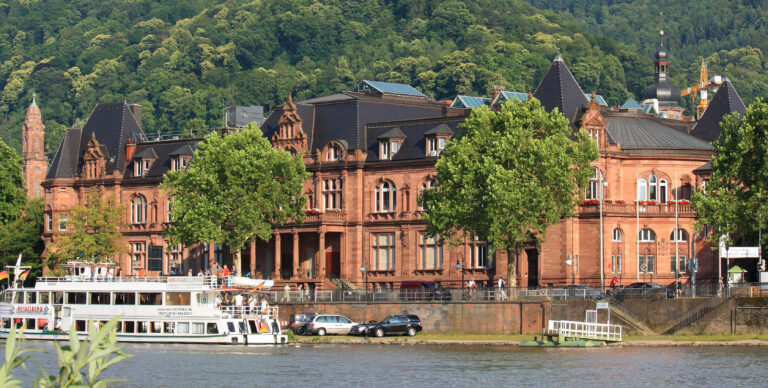
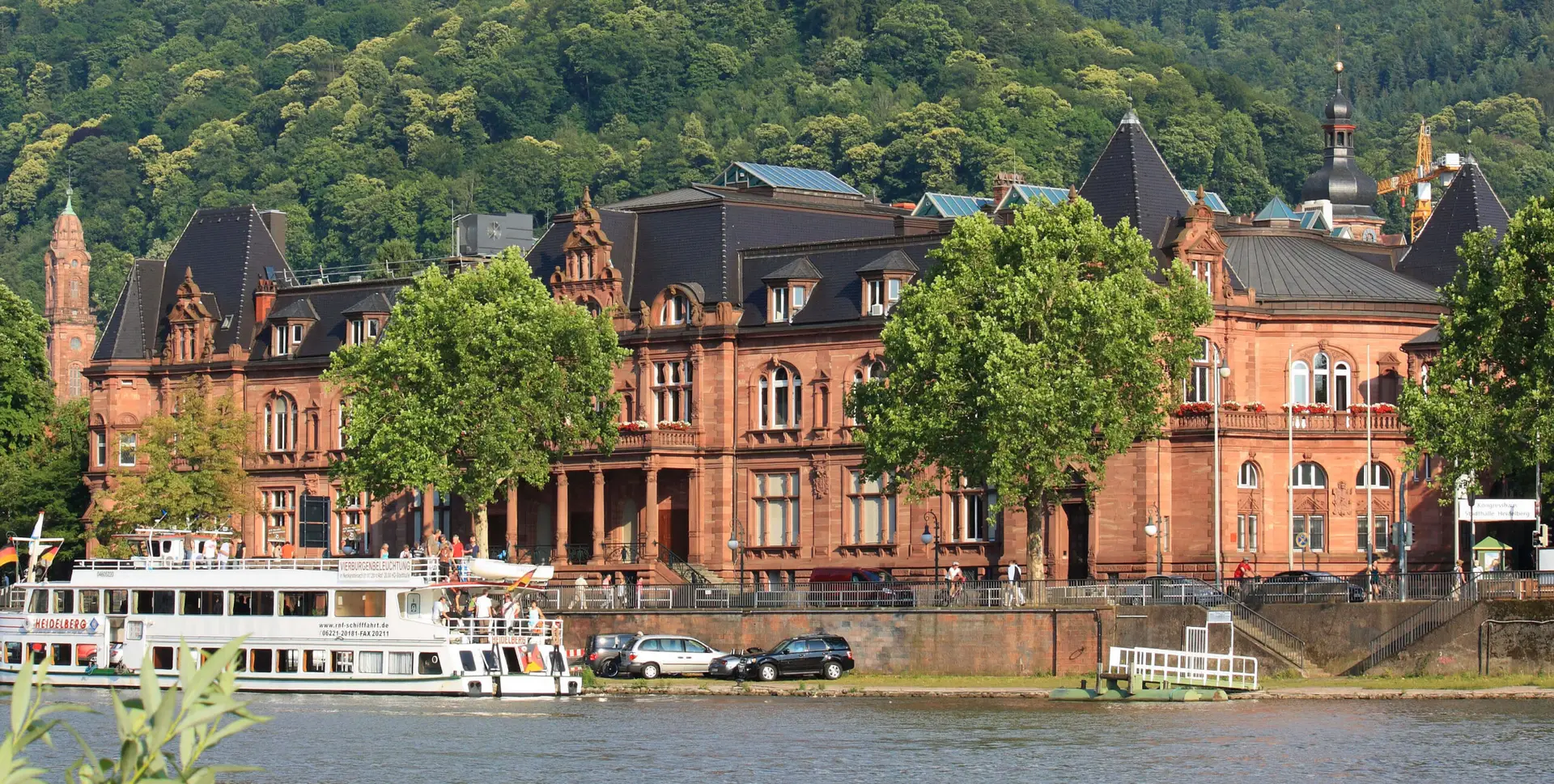
Inaugurated in 1903, Stadthalle Heidelberg presented an unusual investment challenge: improving the energy performance of a prominent concert and event venue while protecting its historic architectural character.
The City of Heidelberg sought to modernise ageing building-services infrastructure without fundamental intervention in the protected fabric, Grand Hall or visually sensitive areas. The challenge was both technical and economic: identify measures capable of delivering measurable savings within a viable long-term investment model.
02 — TECHNICAL SCOPE & KEY MEASURES
Improving Performance Through Targeted Building-Systems Modernisation.
The technical scope focused on the Stadthalle’s principal energy-consuming building systems, particularly heating, ventilation, measurement and control systems.
A detailed energy assessment identified opportunities to improve system efficiency and operational control while respecting the constraints of the historic building. Investment was concentrated on technical infrastructure and controls capable of improving performance without fundamental changes to the protected structure.
03 — INVESTMENT APPROACH
Connecting Technical Measures with Investment Economics.
Potential energy-efficiency measures were evaluated for both their technical savings potential and their ability to form a commercially viable Energy Performance Contract.
The investment analysis integrated CAPEX, OPEX, energy-cost savings, profitability and capital return. This established which combination of measures could support the required technical performance and the economics of a long-term contracting model.
The resulting structure linked building-systems modernisation directly to guaranteed performance and economic outcomes.
04 — INVESTMENT CASE & OUTCOME
Guaranteeing Performance Over a 10-Year Contract.
The project was implemented through a 10-year Energy Performance Contract with 21% guaranteed energy savings. The performance-based structure linked project economics directly to the savings generated by the implemented measures.
The technical systems installed through the project remained part of the Stadthalle’s energy infrastructure for approximately two decades. They were replaced as part of the comprehensive refurbishment that began in 2022, demonstrating the long-term infrastructure implications of the original investment.
05 — ROLE OF WINFRIED HAAS
From Energy Assessment to the Commercial Proposition.
Winfried Haas delivered the project during his tenure as Head of Energy Management Germany on the contractor side.
He was responsible for the energy audit and Energy Savings Concept, technical assessment of the proposed measures and investment analysis covering CAPEX, OPEX, energy-cost savings, profitability and capital return. His responsibility also included preparing and negotiating the commercial proposition with the City of Heidelberg.
His role included the technical energy concept and Investment Analysis across CAPEX, OPEX, profitability, lifecycle costs and Total Cost of Ownership, translating these into the decision basis for Investment Committee and Board approval.
This contractor-side experience provides first-hand understanding of the technical and economic assumptions underpinning performance-based investment models.
06 — RELEVANCE FOR OWNERS TODAY
Long-Life Infrastructure Requires More Than a Short-Term Savings View.
Major building-systems investments should be evaluated not only against near-term savings and returns, but also against lifecycle performance and the infrastructure choices the asset may carry for decades.
Explore Net Zero Investment Pathways →
Request a Confidential Discussion →