01 — CONTEXT & INVESTMENT CHALLENGE
Improving Performance Across a Complex Cultural Asset.
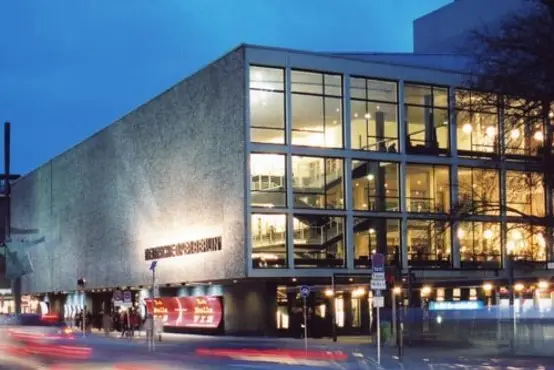
Deutsche Oper Berlin required substantial improvements in energy efficiency while maintaining the operational requirements of a major international performance venue.
Following a Europe-wide competitive tender, the programme was structured as a 12-year guaranteed-savings Energy Performance Contract. The investment challenge was to combine major building-systems modernisation with robust economics and contractually defined performance over the long term.
02 — TECHNICAL SCOPE & KEY MEASURES
Modernising Major Energy and Building Systems as One Programme.
A comprehensive Energy Audit identified efficiency opportunities across HVAC and cooling, energy generation, lighting, controls and building automation.
Following investment approval, the selected measures were implemented as an integrated Energy Efficiency Retrofit. Individual interventions were coordinated within the performance-based investment package rather than treated as isolated technical upgrades.
03 — INVESTMENT APPROACH
Building the Investment Case Around Performance, Economics and Risk.
Technical opportunities and alternative combinations of measures were evaluated against energy-saving potential, CAPEX, OPEX, Discounted Cash Flow, NPV, returns, lifecycle costs and investment risk.
The selected measures were combined into an economically viable investment package capable of meeting defined energy-performance requirements and the contractor’s Investment Committee criteria.
The guaranteed-savings structure linked investment economics to contractually defined performance. Measurement, Reporting and Verification therefore formed part of the investment model from the outset rather than being considered only after implementation.
04 — INVESTMENT CASE & OUTCOME
Measuring Performance Against the Original Investment Assumptions.
The 12-year programme delivered 36% verified energy cost savings and an annual CO₂ reduction of 1,085 tonnes.
Energy Management and Measurement, Reporting & Verification established the connection between the original baseline, implemented measures and actual operating performance. Annual evaluations incorporated weather normalisation and relevant changes in building use and operating conditions.
This allowed realised savings to be assessed against an appropriately adjusted baseline and the contractual savings guarantee throughout the performance period.
05 — ROLE OF WINFRIED HAAS
From Investment Development Through Delivery to Performance Validation.
Winfried Haas held overall contractor-side responsibility from Energy Audit, baseline development and investment analysis through Investment Committee preparation, implementation, commissioning and acceptance.
His responsibility continued into operation of the modernised systems and the Energy Management and MRV process throughout the 12-year contract. This provided first-hand responsibility for connecting investment assumptions with technical delivery and subsequently verified performance.
This legacy contractor-side role differs from today’s independent HAAS Perspective owner-side advisory mandate.
06 — RELEVANCE FOR OWNERS TODAY
Investment Assumptions Ultimately Need to Withstand Actual Performance.
Major infrastructure investments should be evaluated not only on the strength of the proposed business case, but on whether the approved investment logic can be protected through delivery and ultimately validated against measured performance.
Explore the HAAS Investment Decision Process →
REQUEST A CONFIDENTIAL DISCUSSION →