01 — CONTEXT & INVESTMENT CHALLENGE
Looking Beyond the Boundaries of the Industrial Site.
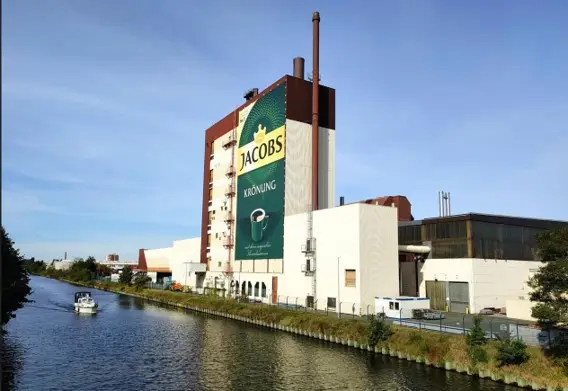
The project was developed for an energy-intensive coffee roastery in Berlin generating significant process-related waste heat.
The investment challenge was whether this thermal energy could be recovered and converted into a technically viable and economically robust source of low-carbon heat beyond the industrial site itself.
This required the roastery, heat-recovery system and neighbouring energy infrastructure to be considered as an integrated system rather than as separate assets.
02 — TECHNICAL SCOPE & KEY MEASURES
Recovering Process Heat and Integrating It into District Energy Infrastructure.
The decarbonisation concept centred on recovering waste heat generated by the coffee-roasting process.
Heat-recovery technology enabled excess thermal energy from the roasting ovens to be captured and made available to the neighbouring heat network.
The technical assessment considered both the existing and proposed system configurations and how industrial waste heat could be integrated into the wider energy infrastructure.
03 — INVESTMENT APPROACH
Translating Waste Heat Potential into an Investment Decision.
The proposed solution was assessed across technical feasibility, project costs, expected energy savings, CO₂ reduction and investment economics.
Winfried Haas developed the required Energy Savings Concept,, documenting the existing and proposed systems and establishing the technical and economic basis for the investment.
This analysis was translated into the decision basis used to prepare the Owner’s Executives decision. The project was also developed and submitted under Germany’s Wettbewerb Energieeffizienz programme, including the required funding application and approval documentation.
04 — INVESTMENT CASE & OUTCOME
Creating Value from an Energy Flow Previously Lost.
The project transformed previously unused industrial waste heat into a useful energy resource for a neighbouring residential quarter.
The concept was expected to reduce CO₂ emissions by approximately 3,150 tonnes per year by recovering process heat and reducing the requirement for conventional heat supply.
The project was awarded first place in the national Wettbewerb Energieeffizienz competition, recognising the proposed integration of industrial waste-heat recovery with local heating infrastructure.
05 — ROLE OF WINFRIED HAAS
From Technical Assessment to Owner Investment Decision.
Winfried Haas delivered the engagement in his capacity as an authorised Energy Efficiency Expert in Germany.
He was responsible for the technical and economic Energy Savings Concept, including system assessment, project costs, expected energy savings, CO₂ impact and investment economics, translating the analysis into the decision basis for the Owner’s Investment Committee and Board.
He also prepared and submitted the funding application and managed the associated approval process, connecting technical analysis, investment decision support and the requirements for implementation.
06 — RELEVANCE FOR OWNERS TODAY
Energy That Cannot Be Eliminated May Still Create Value.
Decarbonisation opportunities can extend beyond reducing demand within an individual asset. Recovering and integrating usable energy flows across system boundaries can create alternative Investment Pathways with different economic, carbon and infrastructure implications.
Explore Net Zero Investment Pathways →
REQUEST A CONFIDENTIAL DISCUSSION →