01 — CONTEXT & INVESTMENT CHALLENGE
Improving Energy Performance Without Compromising Luxury-Hotel Operations.
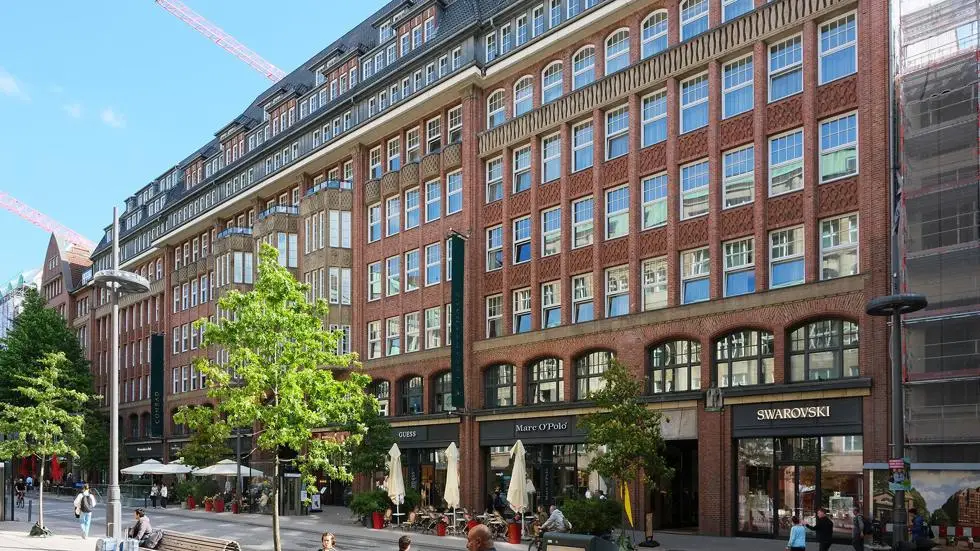
The engagement covered two successive phases of the same five-star Hamburg hotel, initially operated as Park Hyatt and subsequently refurbished and reopened under the Conrad brand in 2025.
The investment challenge was to improve energy efficiency and modernise major building systems while maintaining the comfort and operational standards expected of a luxury hotel. This required a robust basis for identifying retrofit opportunities and assessing their expected performance.
02 — TECHNICAL SCOPE & KEY MEASURES
Modernising Major Air-Handling Systems for More Efficient Operation.
The technical scope centred on major Air Handling Units (AHUs) and associated controls. A targeted HVAC Retrofit Strategy was developed, including Variable Speed Drive (VSD) measures to improve the energy-efficient operation of the air-handling systems.
The retrofit strategy balanced energy and emissions reduction objectives with indoor comfort and the operational requirements of the hotel.
03 — INVESTMENT APPROACH
Establishing the Baseline Before Committing to Retrofit Measures.
A comprehensive Energy Efficiency Concept established the basis for evaluating retrofit opportunities, supported by a Scope 2 GHG emissions baseline.
The engagement translated identified energy-efficiency opportunities into a defined Major Building Systems Retrofit and prepared the technical and energy documentation required for public funding applications. Coordination with the relevant authorities formed part of this process.
Following implementation, the compliant use of granted subsidies was verified against the applicable funding requirements.
04 — INVESTMENT CASE & OUTCOME
Validating Performance Against the Established Baseline.
A structured Measurement, Reporting & Verification (MRV) approach provided the basis for evaluating post-retrofit energy performance and reported savings against the established baseline.
This created a direct connection between the original efficiency objectives, the implemented HVAC measures and subsequent performance assessment. The available project information does not provide a quantified verified energy-saving percentage, so no specific savings claim is made here.
05 — ROLE OF WINFRIED HAAS
Connecting Energy Strategy, Retrofit Definition and Performance Validation.
Winfried Haas’s advisory responsibility covered the Energy Efficiency Concept, energy and Scope 2 emissions baseline, definition of the HVAC retrofit strategy, public-funding documentation and authority coordination.
His role continued through post-implementation verification, including assessment of subsidy compliance and performance against the established baseline. The engagement was advisory and did not include EPC contracting or implementation delivery.
06 — RELEVANCE FOR OWNERS TODAY
Define the Performance Basis Before the Investment — Then Validate It.
Major building-system investments require a credible baseline and clear performance objectives before capital is committed, followed by evidence that the implemented measures delivered against those expectations.
REQUEST A CONFIDENTIAL DISCUSSION →